SHOCKWAVE THERAPY HELPS CHRONIC PAIN
When Chiropractic Adjustments Aren't Enough: How Shockwave Therapy Helps Chronic Pain
When Chiropractic Adjustments Aren't Enough: How Shockwave Therapy Helps Chronic Pain
For many people, pain doesn't start with a major injury. Instead, it develops gradually over time. What begins as mild discomfort in the heel, shoulder, elbow, or Achilles tendon can eventually become chronic pain that interferes with work, exercise, and everyday activities.
At 5280 Chiropractic, we often see patients who have tried stretching, rest, ice, medications, or even physical therapy but continue to experience lingering symptoms. While chiropractic adjustments can be highly effective for improving joint mobility and restoring movement, some conditions involve damaged soft tissues that require a different approach.
That's where shockwave therapy can play an important role.
Shockwave therapy is a non-invasive treatment designed to stimulate the body's natural healing processes and help address chronic musculoskeletal conditions. For many patients, it provides a valuable option when traditional treatments have not delivered the results they were hoping for.
What Is Shockwave Therapy?
Shockwave therapy uses acoustic waves to target injured or damaged tissues within the body.
Despite the name, there is no electrical shock involved. Instead, the treatment delivers focused sound waves into affected tissues to stimulate healing responses and improve circulation.
Shockwave therapy has been used worldwide for years to help treat chronic tendon conditions, soft tissue injuries, and stubborn pain that has failed to improve with conservative treatment.
The goal is simple: encourage the body to repair tissue more efficiently and restore function.
Why Some Injuries Become Chronic
One of the most frustrating aspects of musculoskeletal pain is that some injuries simply don't heal as quickly as expected.
This is especially true for tendons and connective tissues.
Unlike muscles, tendons often have limited blood supply. As a result, healing can be slower and less predictable.
Over time, chronic irritation may lead to:
- Persistent inflammation
- Scar tissue formation
- Reduced mobility
- Weak tissue quality
- Ongoing pain with activity
Patients often find themselves trapped in a cycle where symptoms improve temporarily but return as soon as they resume normal activities.
Common Conditions Treated with Shockwave Therapy
Shockwave therapy is frequently used to address chronic soft tissue conditions, including:
Plantar Fasciitis
Plantar fasciitis is one of the most common causes of heel pain.
Patients often experience:
- Sharp pain with the first steps in the morning
- Heel tenderness
- Pain after prolonged standing
- Discomfort during exercise
When symptoms become chronic, shockwave therapy may help stimulate healing within the affected tissues.
Tennis Elbow
Tennis elbow doesn't just affect athletes.
Many patients develop symptoms from repetitive workplace activities, lifting, gripping, or computer use.
Symptoms may include:
- Elbow pain
- Weak grip strength
- Forearm discomfort
- Pain during daily tasks
Golfer's Elbow
Similar to tennis elbow, golfer's elbow affects the tendons on the inside portion of the elbow.
Chronic cases often respond poorly to rest alone, making regenerative therapies an attractive option.
Achilles Tendon Pain
The Achilles tendon absorbs tremendous forces during walking, running, hiking, and sports activities.
Chronic irritation can lead to:
- Morning stiffness
- Pain during exercise
- Reduced athletic performance
- Ongoing discomfort with activity
Shoulder Tendinopathy
Shoulder pain is common among:
- Weightlifters
- Tennis players
- Swimmers
- Office workers
- Active adults
Shockwave therapy may help stimulate tissue repair while improving overall shoulder function.
Why Colorado's Active Lifestyle Creates Unique Challenges
Living in Denver means many residents lead highly active lives.
During the week, people often spend hours sitting at desks. On weekends, they head into the mountains to ski, snowboard, hike, mountain bike, run, or participate in recreational sports.
This combination of prolonged sitting and high-level activity can place significant stress on tendons and connective tissues.
At 5280 Chiropractic, we frequently see patients whose bodies simply haven't fully recovered from repetitive stress or previous injuries.
Shockwave therapy provides an additional treatment option for active adults who want to stay moving and participating in the activities they enjoy.
How Shockwave Therapy Works
While every patient is different, shockwave therapy is believed to help by:
Increasing Blood Flow
Improved circulation may support the delivery of nutrients and oxygen needed for tissue repair.
Stimulating Cellular Activity
The acoustic waves encourage biological processes involved in healing and regeneration.
Breaking Down Scar Tissue
Chronic injuries often develop dysfunctional tissue patterns that limit mobility and function.
Supporting Tissue Remodeling
The body continuously repairs and adapts tissue. Shockwave therapy may help encourage healthier tissue formation.
Combining Shockwave Therapy with Chiropractic Care
One of the reasons shockwave therapy works so well within a chiropractic setting is that many injuries involve more than just damaged tissue.
Frequently, chronic pain is influenced by:
- Joint dysfunction
- Poor movement patterns
- Muscle imbalances
- Reduced mobility
- Postural issues
For example, a patient with chronic plantar fasciitis may also have restricted ankle mobility or altered walking mechanics.
Similarly, someone with shoulder pain may have limitations in the upper back, neck, or shoulder blade movement.
By combining chiropractic care with shockwave therapy, we can address both the affected tissue and the movement dysfunctions that may be contributing to the problem.
What to Expect During Treatment
The first step is a comprehensive evaluation.
During your consultation, we assess:
- Your symptoms
- Health history
- Previous treatments
- Activity level
- Movement patterns
- Functional limitations
This helps determine whether shockwave therapy is appropriate for your condition.
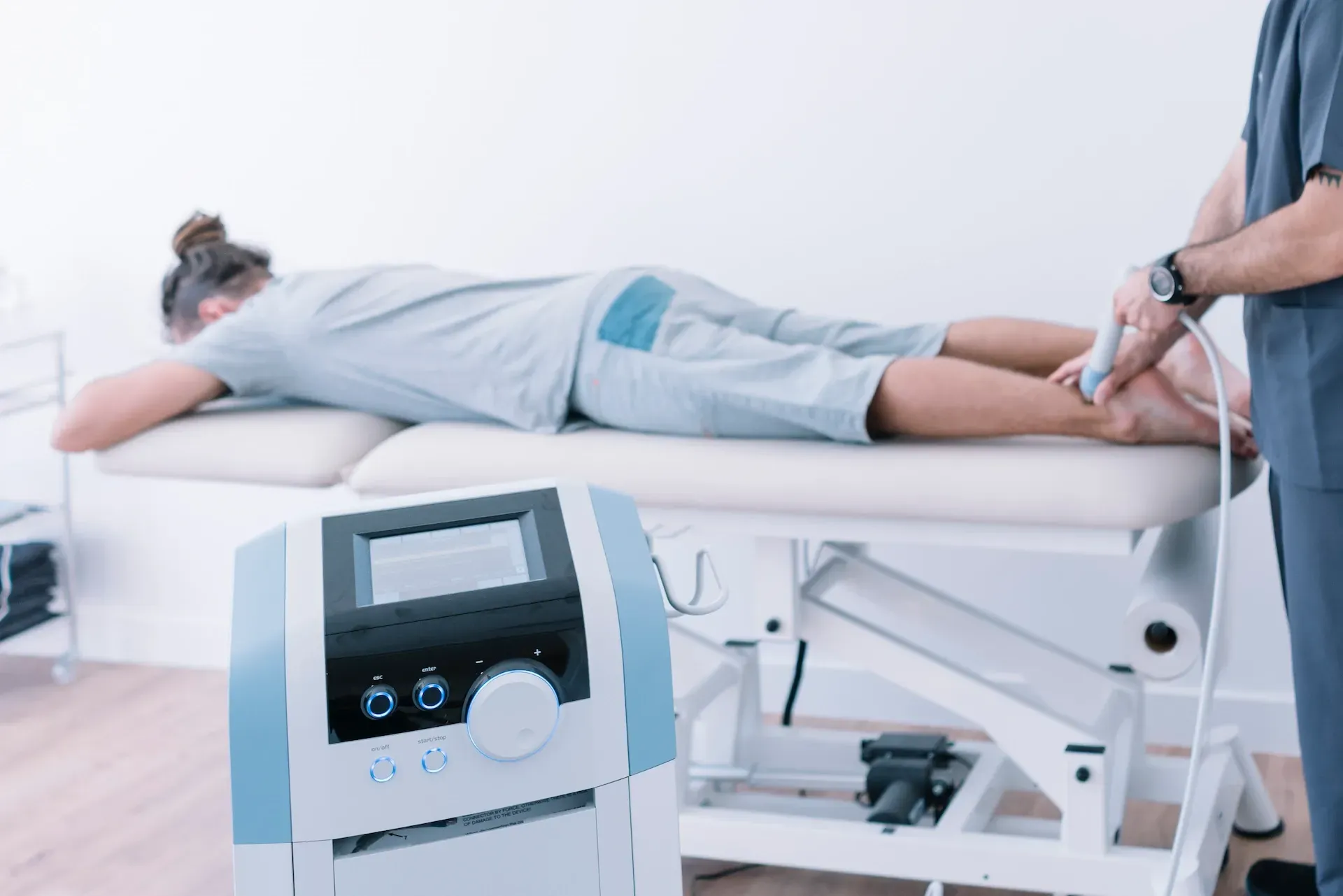
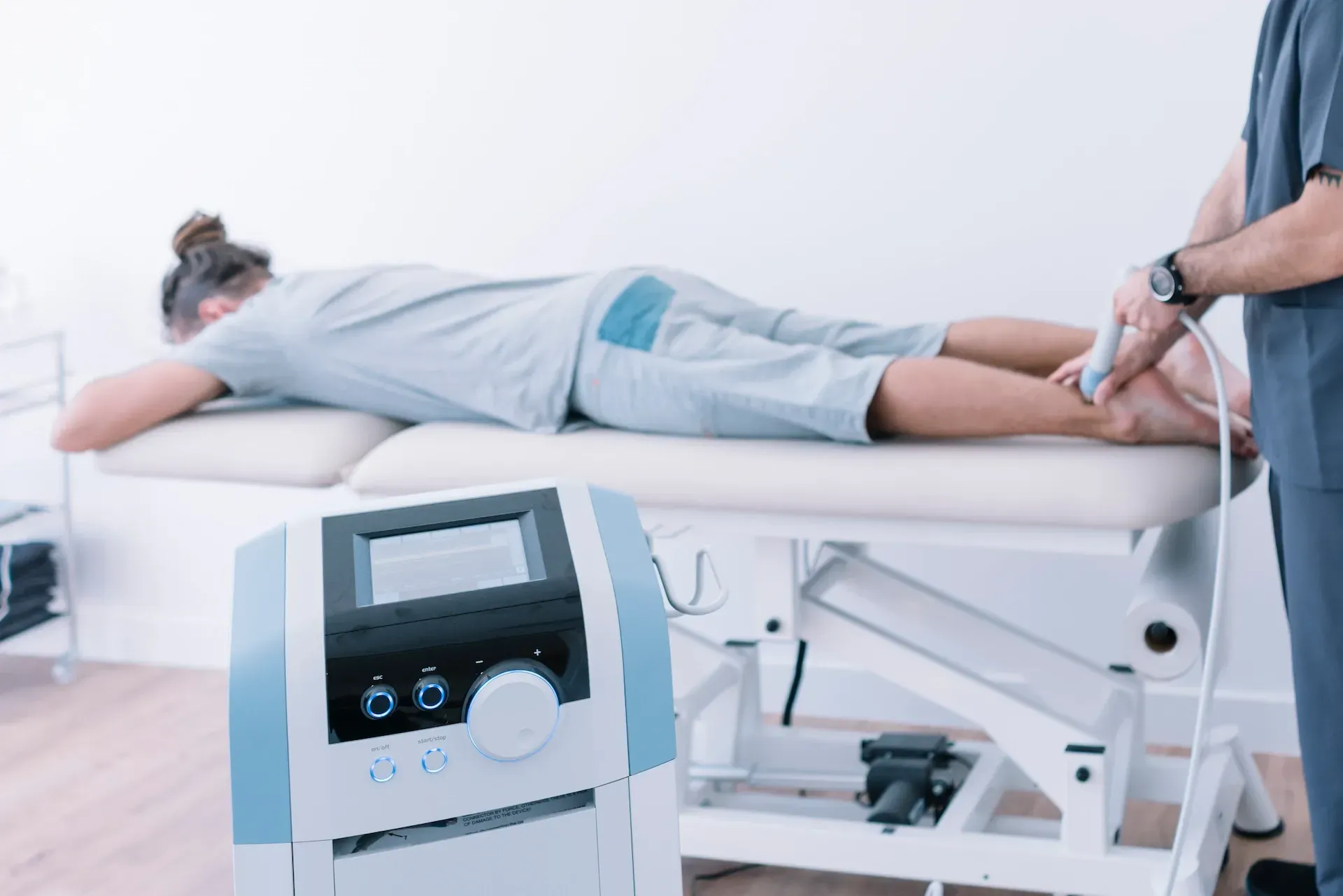
During treatment, a handheld device delivers acoustic waves to the affected area.
Most sessions are relatively quick, and patients can typically return to normal activities afterward.
Some mild soreness may occur following treatment as the body responds to the stimulation.
Who May Be a Good Candidate?
You may benefit from shockwave therapy if you have:
- Chronic heel pain
- Persistent tendon injuries
- Recurring shoulder pain
- Achilles tendon discomfort
- Tennis elbow
- Golfer's elbow
- Soft tissue injuries that have not responded to other treatments
A professional evaluation is the best way to determine whether shockwave therapy fits your specific needs.
Frequently Asked Questions
Does shockwave therapy hurt?
Most patients describe the sensation as intense but tolerable. Treatment settings can often be adjusted based on comfort levels.
How many treatments are needed?
Treatment recommendations vary depending on the condition, severity, and individual response.
Is there downtime?
Most patients can continue normal activities following treatment, although temporary soreness may occur.
Can shockwave therapy replace chiropractic care?
Not necessarily. The two therapies often complement one another by addressing different aspects of musculoskeletal health.
How quickly will I notice results?
Some patients notice improvements quickly, while others experience more gradual changes over several weeks.
Take the Next Step Toward Recovery
Chronic pain can make it difficult to enjoy everything Colorado has to offer. Whether you're struggling with plantar fasciitis, Achilles tendon pain, shoulder discomfort, or another persistent soft tissue condition, finding the right treatment approach is essential.
At 5280 Chiropractic, we combine advanced treatment options like shockwave therapy with personalized chiropractic care to help patients improve movement, reduce discomfort, and return to the activities they love.
If you've been dealing with pain that just won't go away, schedule an evaluation to learn whether shockwave therapy may be right for you.
More in the Blogs

WHO WE TREAT
So much of our lives put us in to bad postures and positions that over time can negatively impact our health and quality of life. At 5280 Chiropractic, we use chiropractic and exercise to correct chronic posture patterns.

PREGNANCY CARE & CHIROPRACTIC
Pregnancy brings rapid changes to your body that can lead to discomfort, tension, and misalignment. Chiropractic care offers a safe, gentle, and drug-free approach to support your body, improve comfort, and prepare for labor.

SHOULDER PAIN & DYSFUNCTION
From lifting and sports to desk work, shoulder pain is often caused by deeper structural issues. Discover how a more complete approach can help you finally resolve the problem, not just manage it.
Visit Our Office in
Downtown Denver
Located on the corner of 16th and Welton in the Masonic Building. Parking provided at the Denver Pavillions underground lot.

Contact
Tel
(303) 371-5280
Fax
(303) 623-0446
5280chiro@gmail.com

Location
5280 Chiropractic 535 16th Street Mall, Suite 200 Denver, Colorado 80202 United States

Office Hours
Mon, Wed, Thurs:
10am - 1pm, 3pm - 6pm
Friday:
10am - 1pm
Tue, Sat, Sun:
CLOSED